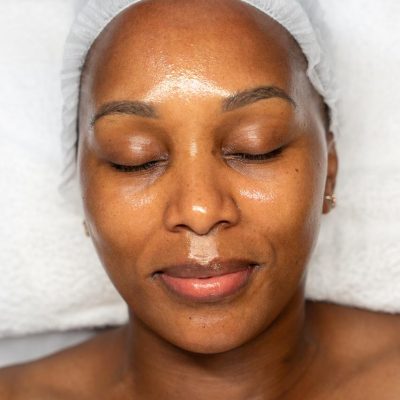
A professional skin analysis is a comprehensive, non-invasive assessment designed to evaluate the skin’s health, type, and specific conditions, often using specialized imaging technology to look beyond the surface. It is the foundation of an effective, personalized skincare routine, helping to avoid the use of incorrect products that can cause damage or premature aging.
Identify Skin Type: Determines if the skin is oily, dry, combination, or balanced.
Identify Conditions: Detects issues like acne, dehydration, sensitivity, rosacea, or sun damage.
Preventive Care: Identifies underlying issues (like deep congestion or UV damage) before they become visible on the surface.
Personalization: Customizes products and treatments, avoiding a “one-size-fits-all” approach.
A thorough analysis usually takes 15–30 minutes and includes the following steps:
Hydration Levels: Assesses if the skin is properly hydrated or experiencing transepidermal water loss (dehydration).
Sebum Production: Measures oil levels, which are critical for identifying acne-prone or dry skin.
Pigmentation: Identifies surface-level sun damage, freckles, and deeper-rooted pigmentation like melasma.
Vascularity/Redness: Evaluates inflammation, broken capillaries, and sensitivity.
Texture & Pores: Examines pore size, congestion (blackheads/whiteheads), and fine lines/wrinkles.
Skin Barrier Function: Assesses the integrity of the skin’s protective barrier.
Our modern systems often use multiple modes to get a full picture:
Daylight: Natural, controlled lighting to check overall appearance.
Cross-Polarized: Obstructs glare to look deep into vascular issues and inflammation.
True UV: Exposes sun damage, age spots, and bacterial infections (porphyrins) that are otherwise invisible.
Wood’s Light: Adjusts the light spectrum to specifically highlight oiliness, dehydration, and uneven texture
Monitors Progress: Tracks changes in skin health over time, allowing for adjustments in treatment (e.g., seeing collagen formation or fading pigmentation).
Cost-Effective: Prevents wasting money on unsuitable products.
Early Detection: Identifies early signs of sun damage or pre-cancerous lesions.
Tips for a Successful Analysis
Arrive with Clean Skin: The face should be free of makeup, sunscreen, and moisturizer for the most accurate results.
Be Honest: Provide accurate information regarding your routine, lifestyle, and medical history.
Update Regularly: Re-evaluate your skin every 3–6 months to adapt to seasonal changes or aging.